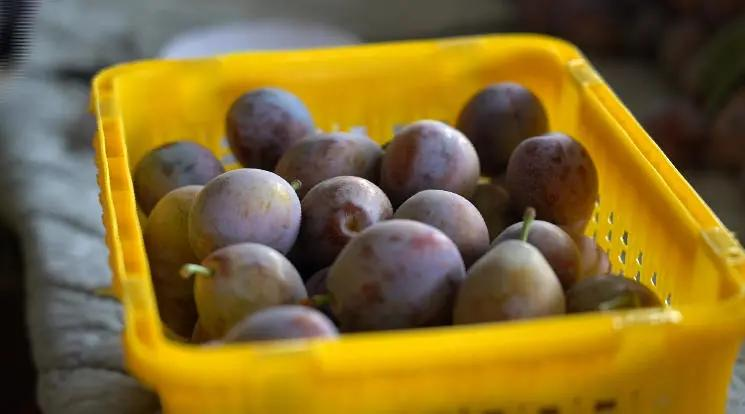



Every July to September, Aksu Fruit Garden hides a niche fresh fruit that naturally attracts attention — Dinosaur Egg Apricot Plum. Many people are curious when they first hear the name: could it be a dinosaur fossil fruit? In fact, it is a “hybrid contender” in the fruit world: 75 parts crisp sweetness of plum + 25 points rich apricot aroma, juicy red flesh with sugar soaring to 20°, making it a unique seasonal delicacy in southern Xinjiang. Rooted in Aksu for many years, I’ve witnessed the entire process of dinosaur eggs hanging, picking, storage, and shipping from this land every year. Today, I won’t push the product directly, but will simply talk about what makes dinosaur eggs from Aksu’s origin so good. Friends who love fresh fruit, wholesale fruit, or stock up on e-commerce can take a look.
1. Why is it called a “dinosaur egg”? Fruit Mixed-Blood Science Popularization
The scientific name of dinosaur eggs Apricot plum , a specialty variety developed through decades of hybrid cultivation abroad. After being introduced to China, Aksu has become one of the core main production areas in China thanks to its unique climate.
- Gene ratio : 75% plum gene, 25% apricot gene, perfectly blending the flavors of two fruits, distinct from ordinary plums and apricots;
- Origin of the name : The fruit is round and slightly large, with a natural white frost coating on the skin with light brown patterns. Its appearance closely resembles dinosaur egg fossils, and over time, everyone called it dinosaur eggs;
- Four Mainstream Varieties (Locally Grown in Aksu)
- Weidi: Early maturing in July, green skin and red flesh, balanced sweet and sour, the first to fall from the tree this year;
- Wei Wang: Ripens in mid-August, large purple-red fruit, highest sweetness, pure sweetness;
- Flavor Queen: Yellow-skinned fruit flesh with a strong fruit aroma, even better when refrigerated;
- Red-fleshed dinosaur eggs: Classic version, red peel, red agate inside, and full anthocyanin content.
Ordinary plums on the market tend to be sour and astringent, apricot flesh is a bit soft, and dinosaur eggs perfectly balance out the shortcomings: crisp and tender without dryness, juicy but not bland, slightly sour with peel, pure sweetness after peeling, two ways to enjoy one fruit, suitable for different taste groups.
2. Aksu, the golden production area for dinosaur eggs, with irreplaceable talent and conditions
Even though dinosaur eggs are the same, the difference between local cultivation and Aksu’s origin is obvious, with the core being the unique natural conditions of southern Xinjiang:
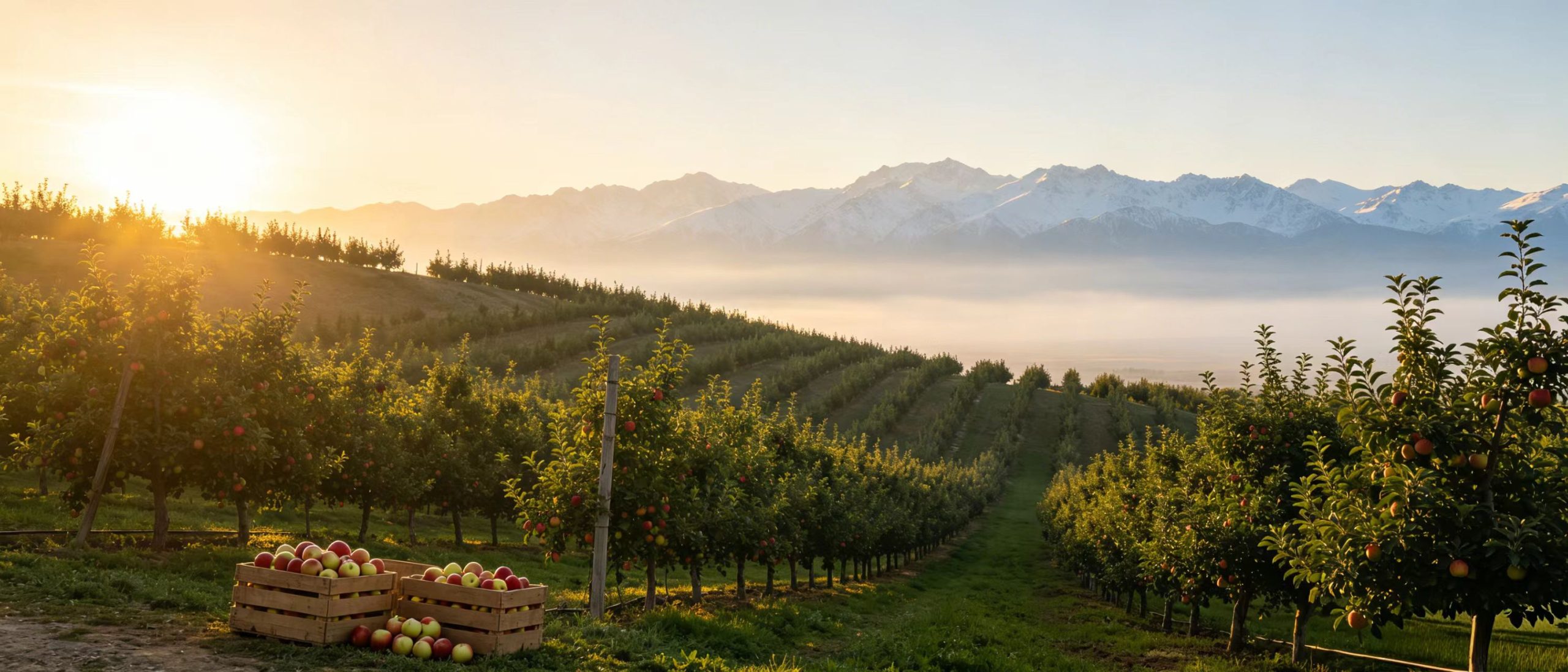
- Extremely long daylight hours cause sugar to settle wildly On the southern slope of the Aksu Tianshan Mountains, with over 3,000 hours of sunshine annually, fruit trees experience ample photosynthesis, fructose continues to accumulate, and high-quality fructose levels remain stable at 17-20°, far exceeding the 12-15° range in inland regions.
- The huge day-night temperature difference locks in fruity nutrition The day-night temperature difference is 15°C-20°C year-round. High-temperature polysaccharides during the day lock in fruit aroma and anthocyanins at night, making the flesh bright red and translucent, and less likely to develop flour or lose flavor after storage.
- Tianshan snowmelt irrigation + alkaline sandy loam soil The orchard is far from industrial pollution, irrigated entirely by snowmelt water from snow mountains. The sandy soil is rich in trace elements such as calcium, zinc, and iron, giving the fruit a refreshing fragrance and requiring no excessive chemical fertilizer to promote growth.
- Dry with little rainfall, few diseases, and naturally ripened outdoors Southern Xinjiang has a dry climate and few pests and diseases in fruit trees. Local orchards insist on open-field planting, without bagging, forced ripening, or enlargement, only picking when the branches have completely changed color. Pregnant women, the elderly, and children can eat with peace of mind.
Every April, the late spring cold snap and light summer rainfall can cause fruit drop and cracking of fruit trees. Only fruits with intact appearance, no cracks, or spots can be sold as commercial fruit. The annual yield of high-quality fruit is limited, making it a rare seasonal fresh fruit.
![Image [1] - Aksu Limited Dinosaur Egg Apricot Plum | Mixed fresh fruit grown in Tianshan snow water, tasted only 60 days a year - Aksu Huafeng Fruit Industry](https://tu.kaynak.top/app/thumb.php?img=/i/2026/07/10/in3xke.webp)
3. One bite bursts with juice! Real taste experience of Aksu dinosaur eggs
Take a mature dinosaur egg, gently squeeze it to a moderate firmness, wipe off the natural fruit powder from the skin, and you can eat it directly:
- Crisp fruit: The flesh is firm and crunchy, bursting with juice instantly, a golden ratio of nine sweets to one sour, plum as a fresh sweetness as the base, with a lingering honey aroma of apricot, without the astringency of ordinary plums;
- Ripen after softness: The flesh is dense and soft, with reduced acidity and a more pronounced honey-sweet taste, suitable for elders who dislike sour flavors;
- Pulp advantages: The pit is extremely small, edible rate reaches 98%, with very little crude fiber. After eating, the flavor fills your mouth with a rich aroma. The flesh is rich in anthocyanins, with a translucent agate-red color, perfect for photos, and comes with traffic from online e-commerce sales.
- Summer Tip: Refrigerate for 2 hours before eating. It’s refreshing and helps cut through greasiness. Perfect for juicing, making fruit salads, or plating fruit slices.
4. The challenge of fresh fruit preservation: How can Aksu dinosaur eggs extend their shelf life?
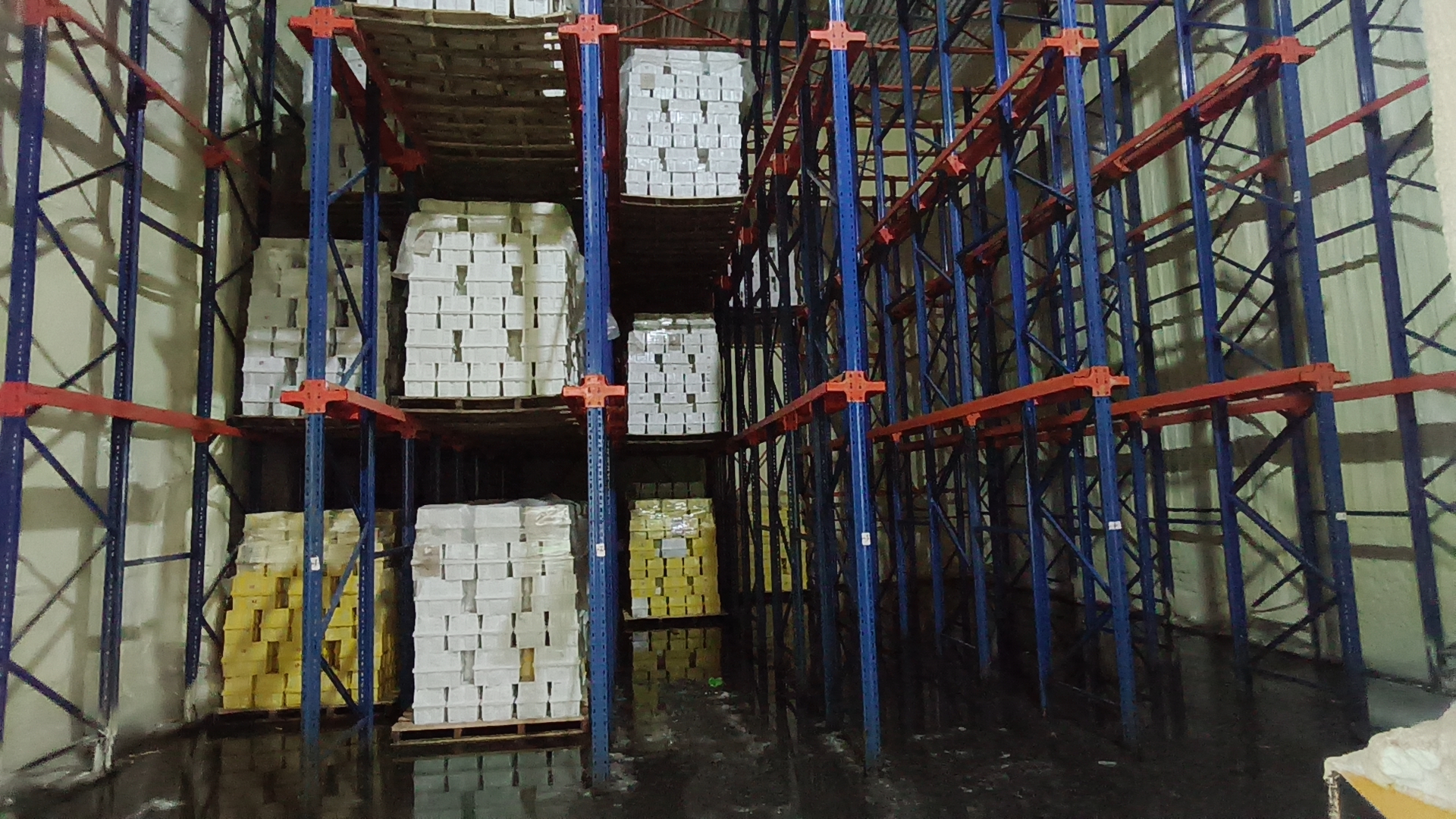
Many merchants and fruit farmers have encountered pain points: dinosaur eggs mature in July to September, prices drop when they enter the market, fresh fruit becomes soft and spoiled after 3-5 days at room temperature, and long-distance losses are extremely high when exported to Xinjiang. Local growers and wholesalers now mostly choose professional warehousing at the production site to solve problems. Based on the previously discussed Aksu controlled atmosphere cold storage, here are two practical tips:
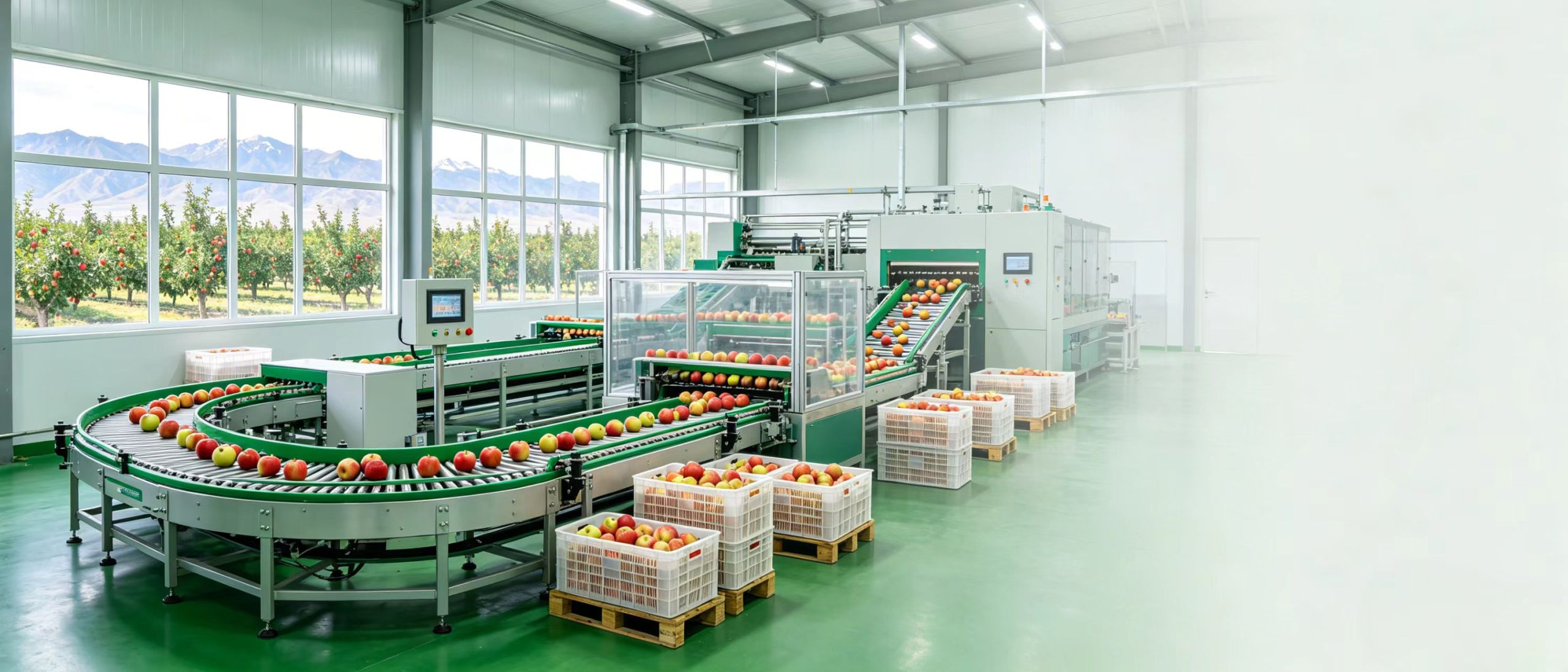
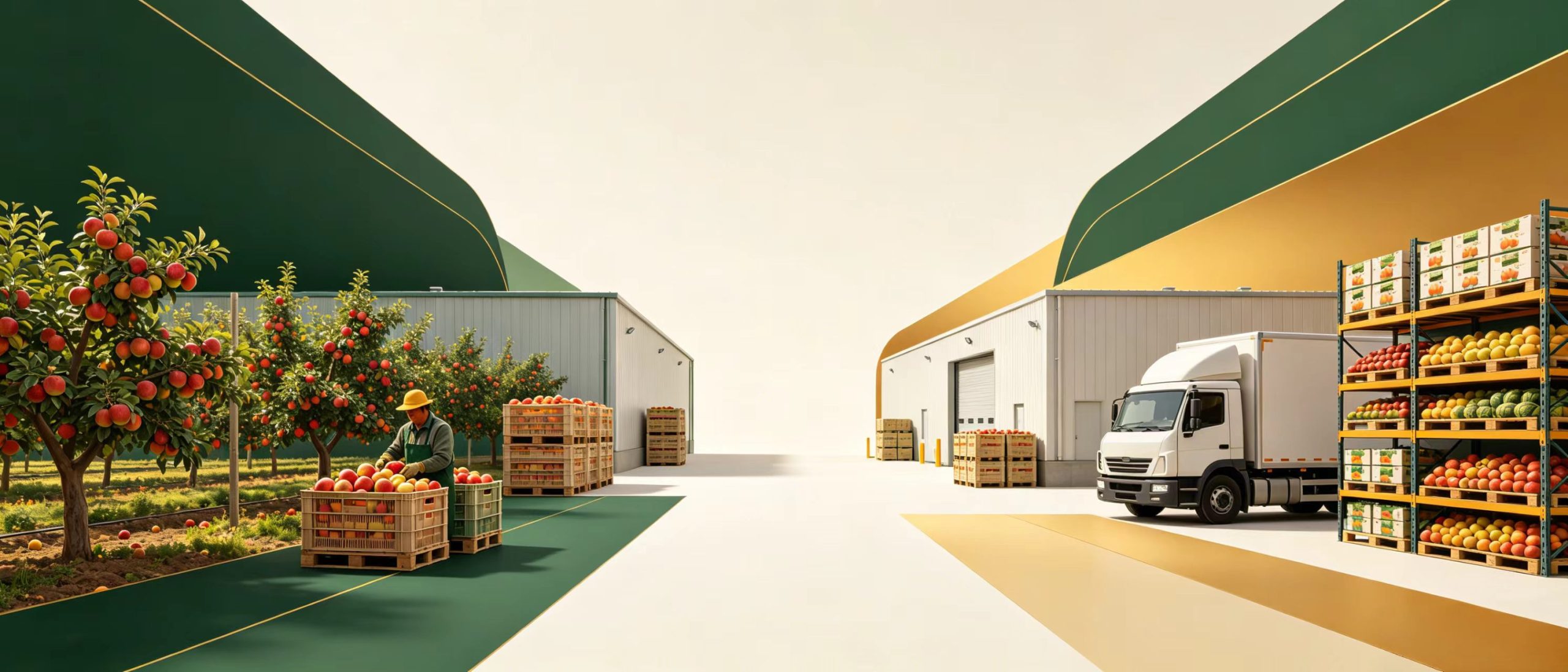
- 24-hour pre-cooling during picking is key Dinosaur eggs freshly planted carry a lot of field heat and are very easy to rot when transported directly by truck. Local standardized bases are equipped with pre-cooling warehouses, quickly cooling after picking, locking in crispness and juice. Long-distance shipments to Beijing, Shanghai, Guangzhou, Jiangsu-Zhejiang-Shanghai, and Central Asia ports can keep cargo losses within 5%;
- Temperature-separated constant temperature storage enables staggered sales Dinosaur eggs withstand low-temperature storage, with professional controlled atmosphere cold storage for precise temperature and humidity control, allowing storage for over 40 days, avoiding centralized launch and price competition, with greater premium space for off-season shipments during Mid-Autumn Festival and National Day. Retail investors, cooperatives, and e-commerce merchants can rent separate warehouses as needed without bearing the cost of consolidating warehouses. Small-batch stockpiling is also very friendly, which is also an advantage of Aksu’s well-established local fruit industry.
![Image [2] - Aksu Limited Dinosaur Egg Apricot & Plum | Mixed fresh fruit grown in Tianshan snow water, tasted only 60 days a year - Aksu Huafeng Fruit Industry](https://huafengguoye.com/wp-content/themes/zibll/img/thumbnail-lg.svg)
5. Practical tips for friends who love dinosaur eggs or are in the fruit business
Avoid pitfalls when shopping
- Only looking at low prices but ignoring production area: inland dinosaur eggs introduced from the mainland have insufficient temperature differences, low sweetness, and faint fruit aroma, prioritizing fresh fruits from Aksu origins;
- Select ripening fruit carefully: Bright skin color but white flesh with bland taste; Aksu Orchard insists on natural ripening on trees;
- High storage loss: Dinosaur eggs release ethylene; do not store them together with apples or bananas, as they can quickly soften and spoil.
Storage tips
- Short-term consumption: Store at room temperature in a cool, shaded place for 2-3 days; softening makes the texture softer;
- Long-term preservation: Wipe off surface moisture, place in a storage bag and refrigerate; best taste within 7 days;
- Bulk Stocking: Find matching cold storage pre-cooling warehouses at production sites to greatly reduce transportation and storage losses.
A few remarks at the end of the article
Aksu’s specialty forest fruits have never been limited to sugar-filled apples, gray dates, and fragrant pears. Dinosaur eggs, as a niche high-end apricot and plum that has gone viral in recent years, have seen their popularity rise year by year thanks to their unique taste and stunning appearance. The tasting season lasts only two months each year; if you miss it, you’ll have to wait an entire year. As fruit industry professionals rooted in Aksu, we have seen many merchants come specifically to the base to harvest fruit, and have been continuously improving the entire chain from orchard picking, pre-cooling storage, to direct shipment from full trucks to cold chain products, solving various challenges in fresh fruit preservation, long-distance transportation, and off-peak sales.
If you are a local Aksu fruit farmer, fruit agent, e-commerce fresh food shop owner, or simply love Xinjiang’s specialty fresh fruits, feel free to leave a comment to share your experience in dinosaur egg planting, storage, and shipping, so we can help bring premium southern Xinjiang fruits to the national market together.